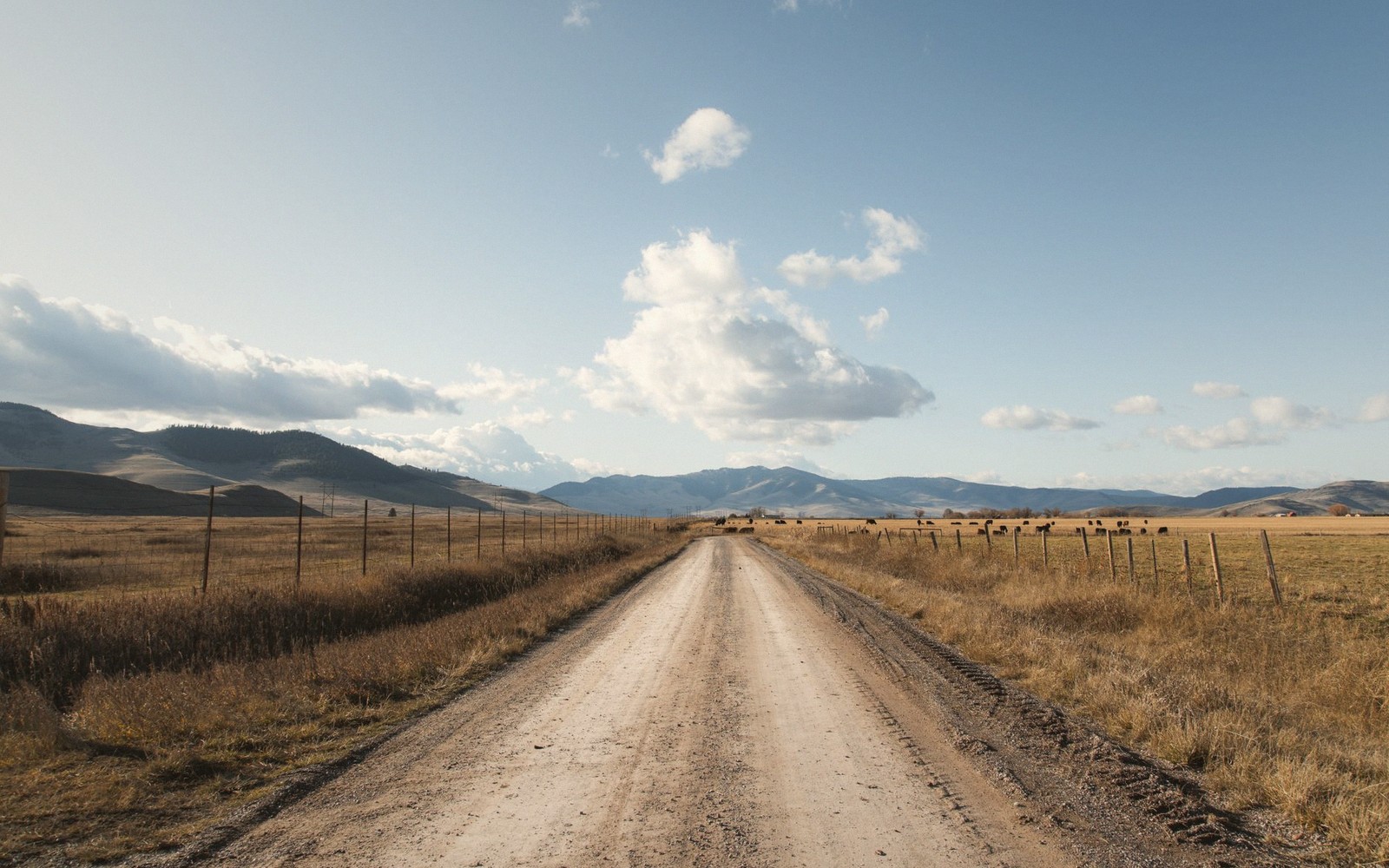
A Diverse World on the Grasslands
The Great Plains runs roughly from the Missouri River west to the Rockies, and from the Saskatchewan River basin south to the Texas Hill Country. It is one of the most recognizable landscapes on earth, and one of the most misunderstood. Popular culture collapsed its peoples into a single, feathered archetype. The reality is a mosaic: dozens of distinct nations, speaking languages from at least six different families, with histories that stretch back thousands of years.
Some nations have lived on the Plains since time out of mind. The Mandan, Hidatsa, and Arikara — today united as the MHA Nation (the Three Affiliated Tribes) on the Fort Berthold Reservation in North Dakota — were established village farmers along the Missouri River long before European contact. Their earthlodge4 towns were major centers of trade. The Pawnee of what is now Nebraska maintained similar horticultural settlements, organized into four confederate bands. The Wichita people farmed the southern Plains along the Arkansas and Red Rivers. These are nations whose roots in the grasslands are ancient and deep.
Other nations moved onto the Plains more recently, many of them pushed or pulled by the disruptions of colonization to the east. The Lakota (one of the three groups of the Očhéthi Šakówiŋ1, the Great Sioux Nation, alongside the Dakota and Nakota) migrated onto the northern Plains from the Great Lakes region and became closely associated with the bison-hunting culture that would define Plains life in the eighteenth and nineteenth centuries. The Cheyenne and Arapaho moved west from the Great Lakes and Minnesota, arriving on the central Plains by the 1700s. The Comanche separated from the Shoshone in the Great Basin and moved south, eventually controlling a vast territory — Comanchería3 — across present-day Texas, New Mexico, and Kansas.
Horses, Bison, and Political Life
The arrival of horses — reintroduced to North America by the Spanish in the seventeenth century and spreading northward through trade and raid — transformed life for many Plains peoples. Mounted bison hunting allowed larger bands, greater mobility, and new forms of political organization. The horse also intensified conflict over territory.
| Village farmers | Equestrian hunters | |
|---|---|---|
| Peoples | Mandan, Hidatsa, Arikara, Pawnee, Wichita | Lakota, Cheyenne, Arapaho, Comanche |
| Settlement | Permanent earthlodge towns along the rivers | Mobile camps following the herds |
| Economy | Corn, beans and squash; towns as trade hubs | Bison hunting, horse wealth, wide-ranging trade |
| On the Plains | Ancient — long before European contact | Largely after horses spread, 1600s–1700s |
But the bison-hunting, horse-riding culture should not be treated as timeless or universal. It was a historical development, and it was layered over older, more complex patterns of farming, fishing, trade, and settlement. What the buffalo meant to Plains life was profound — in material, spiritual, and economic terms — but no single practice defines these peoples.
Political organization varied widely. The Lakota organized through the tiospaye2, an extended-family band, with larger gatherings for ceremonies and collective decisions. The Osage, whose homeland centered on present-day Missouri and Arkansas, had a sophisticated dual-division clan system. The Blackfoot Confederacy — comprising the Siksika, Kainai, and Piikani nations — maintained a loose alliance across what is now Montana and Alberta. The Crow Nation governed through clan and district structures, and their homeland in the Bighorn and Yellowstone country remains their reservation base today.
The long view
- Pre-contactMandan, Hidatsa, Arikara, and Pawnee established as village farmers on the Plains
- 1600sSpanish horses spread northward; Plains cultures begin to transform
- 1700sCheyenne, Arapaho, and Lakota arrive on the central and northern Plains
- 1800sTreaty era reshapes territorial boundaries across the region
- 1830s–1870sRemoval and reservation policies relocate many southern Plains nations to Oklahoma
Nations Today
Plains nations are sovereign governments today, operating tribal councils, courts, schools, colleges, and enterprises. The Oglala Lakota govern Pine Ridge Reservation in South Dakota, one of the largest reservations in the United States by land area. The Osage Nation in Oklahoma holds the distinction of a reservation whose mineral estate remained tribally owned, generating resources that shaped the nation's twentieth-century history. The Northern Cheyenne Tribe governs their reservation in southeastern Montana. The Comanche Nation, Kiowa Tribe, and Southern Cheyenne and Arapaho Tribes are all headquartered in Oklahoma, relocated there after the treaty era reshaped the southern Plains.
| Nation | Seat today | Noted in this guide |
|---|---|---|
| Oglala Lakota | Pine Ridge Reservation, South Dakota | Among the largest U.S. reservations by land area |
| Osage Nation | Oklahoma | Mineral estate remained tribally owned |
| Northern Cheyenne | Southeastern Montana | Governs its reservation homeland |
| Comanche Nation | Oklahoma | Oklahoma Relocated after the treaty era reshaped the southern Plains |
| Crow Nation | Bighorn & Yellowstone country, Montana | Homeland remains the reservation base |
Plains nations are sovereign governments today, operating tribal councils, courts, schools, colleges, and enterprises.
The nations of the Plains are not historical artifacts. Their governments negotiate water rights, run universities, protect languages, and shape policy. The grassland is still their country.
People & places in this guide
MHA Nation (Three Affiliated Tribes)
In this guide
Mandan, Hidatsa, and Arikara peoples; Fort Berthold Reservation, North Dakota
Blackfoot Confederacy
In this guide
alliance of Siksika, Kainai, and Piikani nations; Montana and Alberta
Pine Ridge Reservation
In this guide
Oglala Lakota homeland, South Dakota; one of the largest U.S. reservations by area
Notes
- Očhéthi Šakówiŋ. Lakota name for the Great Sioux Nation: "Seven Council Fires" ↩
- tiospaye. Lakota extended-family band, the basic unit of social organization ↩
- Comanchería. the vast territory controlled by the Comanche in the southern Plains ↩
- earthlodge. large, semi-permanent earth-and-timber dwelling used by Missouri River farming peoples ↩