

 As an individual fascinated by the Indian tribes who live in the United States, I find it essential to have an informative website that contain details about these people who have a rich culture, civilization, spirituality, and a history. The Lakota out of all these tribes have fascinated me owing to the fact that they were great warriors, hunters, nomads, and family men. Here you will find a comprehensive account of all the aspects of the Lakota people’s life, culture, and heritage.
All in all, Lakota Mall will be a great place for the Native American fan to be informed, read, and get to know about the traditions, beliefs, history, and lifestyle of a great people who have lived through harsh times, preserved their cultural beliefs and values, and survived to tell their story.




We all love unexpected releases, right? With Sis Loves Me it is really something else. You might already be familiar with the series but we are going to explain it really quickly anyway. It’s all about step siblings relationships. It’s one of these forbidden taboos that became viral in the last years. Sis Loves Me debuted back in 2016 and it’s providing us with video clips of this very fantasy.

That Sitcom Show – debuting soon. This is going the memory lane – in adults-only style. If you remember all these classic sitcoms that ran in TV back in the day, you are about to explore this journey once again. Nubiles studio has been creating the adult interpretation of all the funny stories that happened inside these families. With a naughty twist you will live your youth once again – this time with much more pleasant videos!

Some girls just prefer to have their pretty faces covered in sticky juice.

The dirty unfair deals being done in this specific pawn shop. Watch guys trying to trick end up being tricked!

Beautiful, well-cared feet of European women who seduce their partners just by that.

Adventures of straight guys hunter in Central European. Economical struggle makes some of us do questionable choices.

The very best of mom entertainment in 2022. Stunning yet totally filthy – watch them in 8 unique subseries.

True home to all your gonzo styled fun needs. The place where all updates from iconic DarkX & HardX series are uploaded.

Mile High Media brings you the very best of MILF entertainment with weekly updates.

The hottest content featuring post-FTM transition performers in kinky step family fantasies.
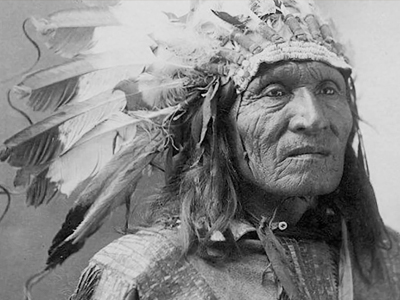
The Lakota people or the people of Standing Rock are one of the first original Native American tribes who inhabited the North Americas before the arrival of Europeans. Often referred to as the Great Sioux Nation, these people can be divided into three distinct groups based on the language and geography; Dakota (Santee, Eastern Dakota), Lakota (Teton, Western Dakota) and Nakota (Yankton, Central Dakota). “Dakota” and “Lakota” means “friends” or “allies”. By the end of 16th century these tribes were living in the upper Mississippi river region (present day Wisconsin, Minnesota, Iowa and the Dakotas).